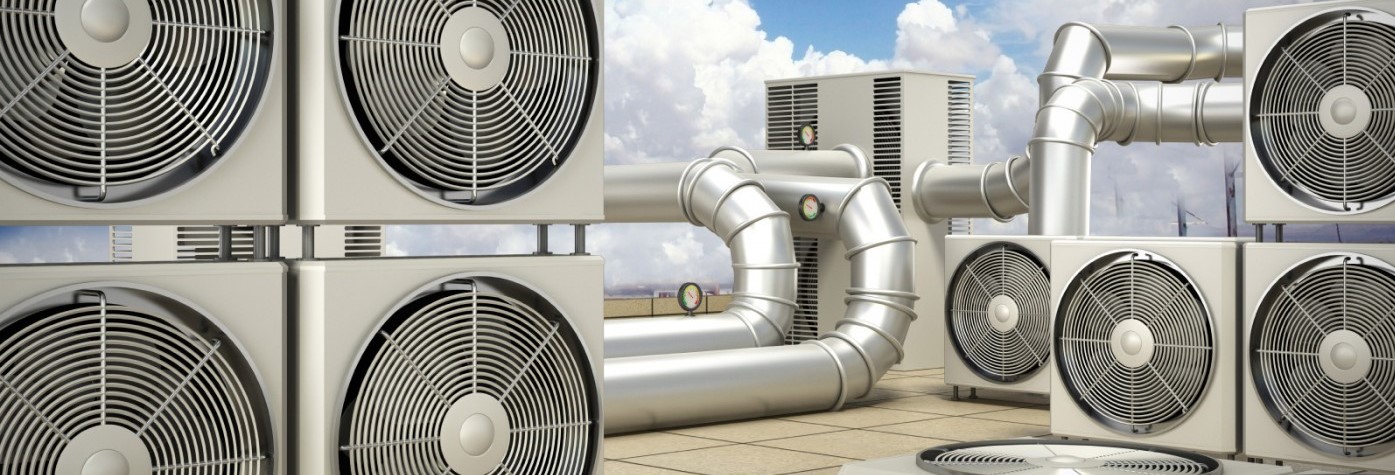
We all know that air conditioning keeps indoor spaces comfortable throughout the year, but how exactly do air conditioners work? The science behind these systems combines physics, refrigeration principles, and advanced technology to regulate temperature and improve air quality.
In this guide, we’ll explain how air conditioning systems function, the key components involved, and the benefits of efficient climate control for homes and businesses.
At Mechcool, we offer high quality air conditioning solutions in Sussex and Surrey. Contact us today to discuss your requirements.
What is an air conditioning system?
An air conditioning system is designed to regulate temperature, humidity, and air quality within a room or building. It works by removing heat and moisture from indoor air and replacing it with cool, comfortable air.
At its core, the system relies on heat transfer, moving hot air out of your environment and circulating cooled air back in. Most modern units can also reverse this process to provide heating, making them a versatile solution for year-round comfort.
Main components of an air conditioner
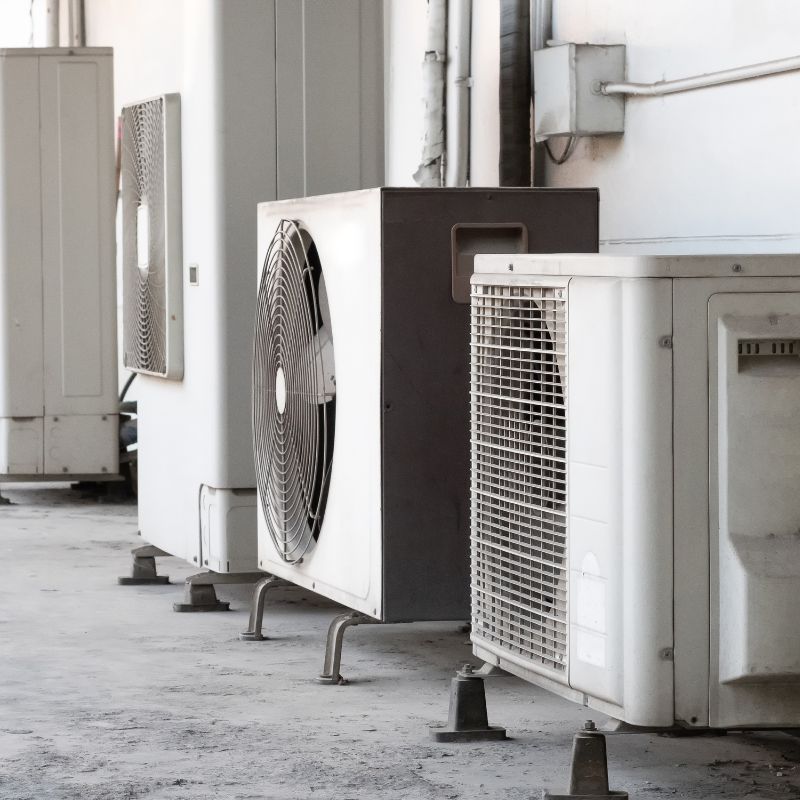
An air conditioner consists of several essential parts that work together to manage airflow and temperature. Here’s a breakdown of the main components:
Evaporator coil
Located inside the indoor unit, the evaporator coil absorbs heat from the internal air within your room. It contains refrigerant, a special fluid that changes state as it captures heat, cooling the air before it is blown back inside.
Compressor
The compressor is the heart of the system, typically housed in the outdoor unit. It compresses the refrigerant gas, increasing its temperature and pressure, preparing it for the next stage of heat release.
Condenser coil
In the outdoor unit, the condenser coil releases the heat absorbed from inside your building. The refrigerant condenses back into a liquid state as fans expel the warm air outdoors.
Expansion valve
The expansion valve controls the flow of refrigerant into the evaporator coil. It reduces the pressure of the liquid refrigerant, enabling it to absorb heat again during the next refrigeration cycle.
Refrigerant and thermostat
The refrigerant is the working fluid that circulates through all components, while the thermostat monitors indoor temperatures and signals the system when to start or stop cooling.
Together, these components continuously cycle to maintain your desired indoor climate with maximum cooling efficiency.
How does an air conditioner work? (Step-by-step)
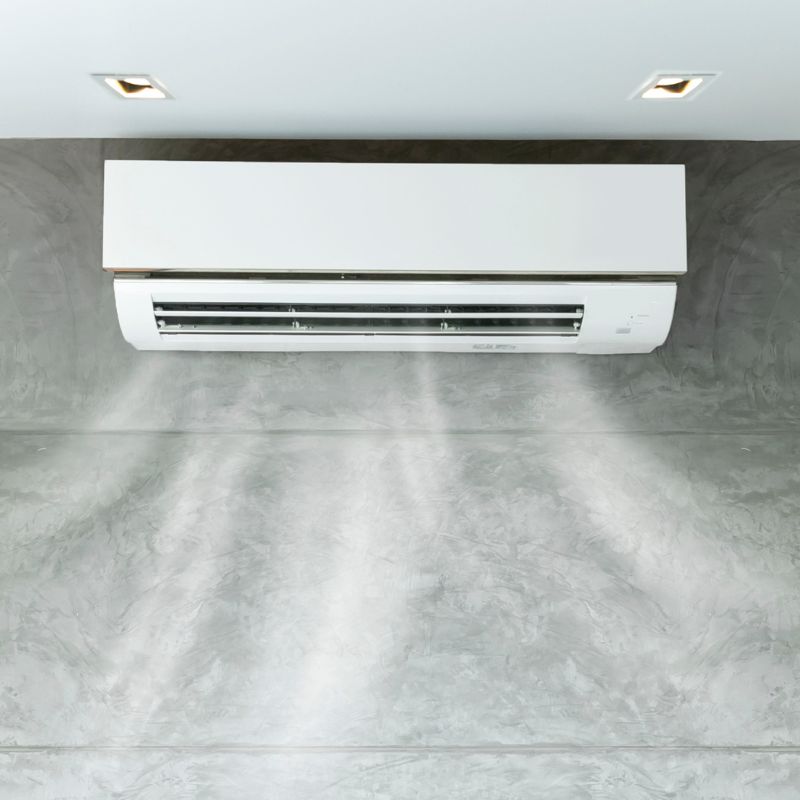
Although air conditioning systems vary in design, the cooling process follows the same basic principles, similar to how a refrigerator operates. Here’s a simple step-by-step explanation:
1. Heat absorption
Warm indoor air passes over the cold evaporator coil, where the refrigerant absorbs heat and moisture. The refrigerant transforms from a cool liquid to a warm gas as it captures heat, producing cold air that’s recirculated back into your home or office.
2. Compression
The gaseous refrigerant travels to the compressor, where it is pressurised. This raises the refrigerant’s temperature, preparing it for the next stage of heat release.
3. Heat release
The hot, pressurised gas flows into the condenser coil located outside. The condenser releases heat into the outside air, and the refrigerant condenses back into a liquid form.
4. Expansion and cooling
The liquid refrigerant passes through the expansion valve, dropping in pressure and temperature before returning to the evaporator coil. This cooling cycle continues, maintaining a consistent indoor temperature.
5. Continuous cycle
This process repeats continuously until the indoor air reaches the set temperature on your thermostat, ensuring steady comfort throughout the day.
Heating and cooling explained
All air conditioning systems today use air source heat pumps to provide heating as well as cooling.
In cooling mode, heat is extracted from the indoor air and expelled outside. In heating mode, the system reverses, drawing heat from the outdoor air and transferring it indoors.
This efficient dual process means your air conditioner can keep you comfortable no matter the season, without relying solely on traditional heating systems.
Types of air conditioning systems
At Mechcool, we work with a wide range of systems to suit every environment and requirement:
- VRF / VRV systems – Perfect for large commercial buildings with multiple zones requiring individual temperature control.
- Wall-mounted split systems – Ideal for small offices or individual rooms.
- Ducted systems – Deliver discreet, centralised airflow throughout the property.
- Cassette split systems – Ceiling-mounted for even air distribution.
Each system operates on the same core principle of heat exchange, differing mainly in scale, design, and application.
Read more about the different types of air conditioners
Benefits of air conditioning
Installing a high-quality air conditioning unit offers multiple advantages:
- Consistent comfort: Maintain your preferred temperature all year round.
- Improved indoor air quality: Filters reduce dust, allergens, and pollutants.
- Energy efficiency: Modern systems consume less power while delivering optimal results.
- Enhanced productivity: Comfortable indoor climates improve focus and wellbeing in workplaces.
- Smart control options: Advanced thermostats allow precise temperature regulation and scheduling.
Whether for your home, office, or commercial premises, air conditioning is an investment in comfort, health, and efficiency.
Energy efficiency and modern innovations
The latest air conditioning technology focuses on sustainability and energy savings.
Inverter compressors automatically adjust speed to meet demand, preventing energy waste. Eco-friendly refrigerants reduce environmental impact, and smart thermostats give you full control over your indoor climate from your smartphone.
We specialise in designing and installing energy-efficient systems tailored to your property, helping lower running costs while maintaining superior comfort.
Contact us today
At Mechcool, we combine years of experience with the latest technology to deliver reliable, efficient air conditioning solutions across Sussex and Surrey. From installation to maintenance and repairs, our expert engineers ensure your system runs at peak performance all year round.
Whether you’re upgrading your existing setup or exploring new energy-efficient options, we offer free, no-obligation quotations to help you find the perfect air conditioner unit.
Get in touch with us today to find out more.
Frequently Asked Questions
It removes heat from the internal air using cold evaporator coils filled with refrigerant. The heat is then expelled outside, leaving cooler air to circulate indoors.
Yes, air conditioners use air source heat pumps can reverse their cycle to provide heating during colder months.
Split system air conditioners have one indoor and one outdoor unit for individual rooms, while multi split systems connect multiple indoor units to one outdoor system for larger buildings.
It’s recommended to schedule annual maintenance to keep your unit running efficiently and extend its lifespan.
Inverter-based and heat pump systems are among the most efficient, automatically adjusting output to match cooling demand.